Disambut Ribuan Santri Ponpes Nurul Qodiri Lampung, Jokowi: Saya Tidak Berubah, Masih Seperti Dulu
What Happened During: Jokowi's Visit to Lampung's Nurul Qodiri Pondok Pesantren What Happened During the visit of President Joko Widodo to Pondok Pesantren
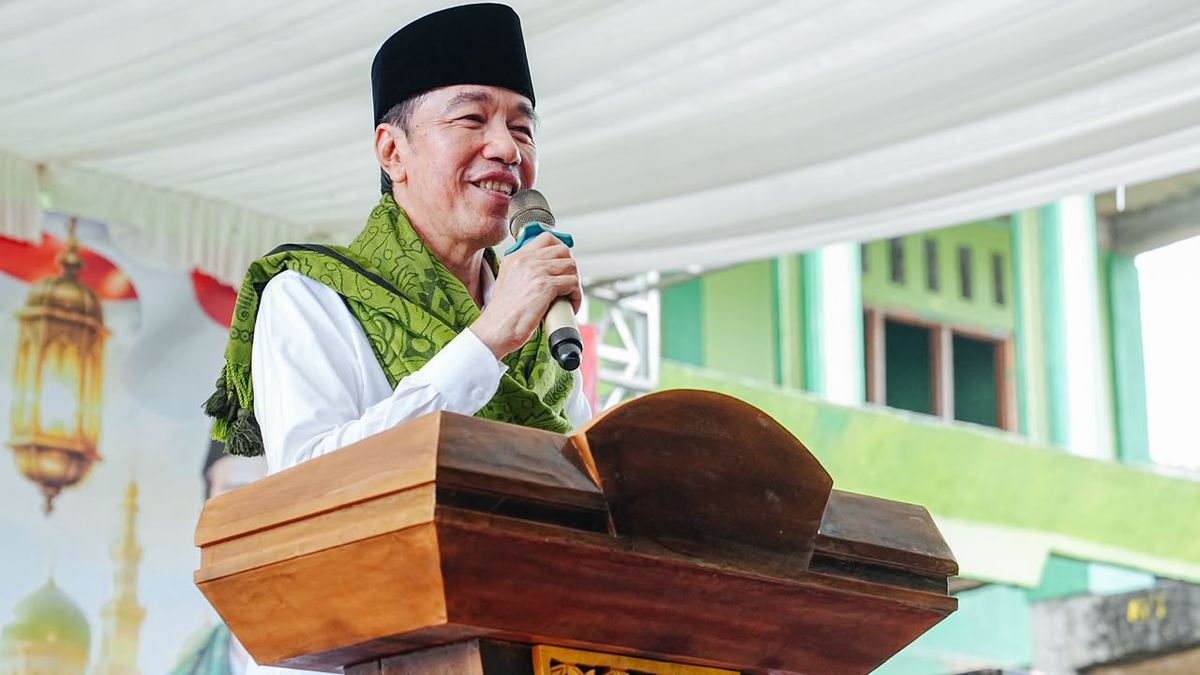
What Happened During: Jokowi’s Visit to Lampung’s Nurul Qodiri Pondok Pesantren
Donasikitabisa.com – The visit of President Joko Widodo to Pondok Pesantren Nurul Qodiri in Lampung Tengah on June 28, 2026, was a heartfelt gathering that highlighted his enduring connection to the community. Thousands of santri (students) and local residents welcomed the leader with enthusiasm, creating a vibrant atmosphere that underscored the significance of spiritual and political unity. Jokowi’s appearance at the event, marked by traditional dances and songs, symbolized his commitment to maintaining the values that have defined his leadership journey. This moment not only reinforced his image as a humble figure but also emphasized the role of pesantren in shaping national identity and moral compass.
Presidential Legacy and Grassroots Roots
What Happened During Jokowi’s time at the pesantren reflected his unchanging dedication to the people. Despite his current position as president, he expressed that his core values remain deeply rooted in his humble beginnings. “Saya tidak berubah, masih seperti yang dulu,” he stated, highlighting his belief that leadership should be grounded in the spirit of community service. His presence at the event served as a reminder of his journey from a rural background to the presidency, showcasing a consistent effort to connect with the grassroots. This approach aligns with his vision of governance that prioritizes inclusivity and shared responsibility.
“Aku masih seperti yang dulu, masih orang kampung, masih orang desa. Jadi kalau saya ke Lampung, ke Provinsi Lampung, saya ke sini ya memang dunia saya, lingkungan saya adalah seperti yang tadi saya sampaikan,” kata Jokowi.
What Happened During the event also demonstrated the president’s appreciation for the role of religious institutions in national development. He praised Kiai Imam Suhadi, the pesantren’s founder, for fostering an environment where spiritual and social values coexist. Jokowi emphasized that such collaborations are essential in building a resilient society. “Para santri adalah bagian dari masyarakat yang penuh semangat dan konsisten,” he remarked, underscoring the importance of engaging with communities to drive collective progress.
Strengthening Community Bonds
What Happened During the visit extended beyond mere interaction; it included a thorough review of the pesantren’s initiatives. Jokowi acknowledged the institution’s efforts to blend Islamic education with national priorities, praising its role in cultivating skilled and morally grounded citizens. “Saya melihat bahwa ponpes ini tidak hanya berfokus pada pendidikan agama, tetapi juga mendorong pengembangan kompetensi sosial dan ekonomi para santri,” he said. This alignment with the government’s goals reflects his strategic focus on empowering communities through education and economic programs.
What Happened During the event also highlighted Jokowi’s personal connection to the region. As a former governor of DKI Jakarta and bupati of Karawang, his familiarity with rural and urban dynamics is evident. The visit to Lampung Tengah reaffirmed his commitment to maintaining the link between political leadership and the everyday lives of citizens. By engaging directly with the santri and local leaders, he emphasized the importance of listening to grassroots voices in shaping national policies.
Reflections on Change and Continuity
What Happened During Jokowi’s visit revealed his philosophy of leadership—adaptability without compromising principles. While acknowledging the evolution of policies over time, he stressed that his personal values remain unchanged. “Meskipun dunia ini berubah, saya tidak berubah,” he affirmed, serving as a message of stability in leadership. This balance between innovation and tradition is key to his approach, ensuring that progress is aligned with the cultural fabric of Indonesia. The event became a platform for reinforcing this vision, uniting diverse groups under a common goal of national development.
What Happened During the gathering also inspired discussions about the role of religion in politics. Jokowi’s emphasis on staying true to his roots resonated with attendees, many of whom saw him as a leader who understood their struggles and aspirations. The interaction with the santri, who represent a significant portion of Indonesia’s population, showcased his ability to bridge political and spiritual domains. Through this visit, he reiterated his message of unity, reminding all Indonesians that leadership is a shared journey, not a solitary endeavor.