
What Happened During: 3 Arahan Prabowo Buntut Kecelakaan Kereta di Bekasi Telan Korban Jiwa
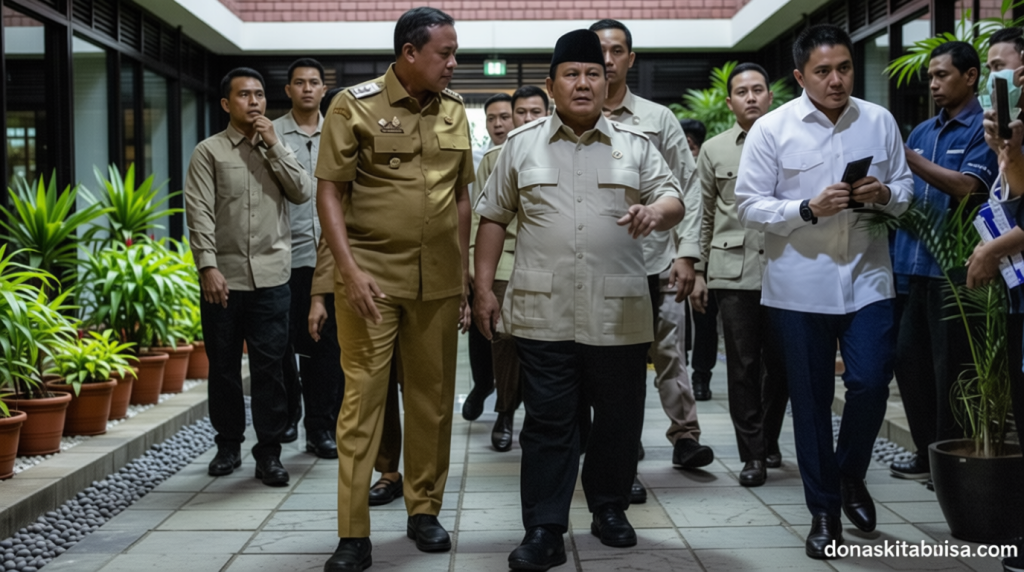
What Happened During Prabowo’s 3 Directives Following Bekasi Train Accident
What Happened During the train accident in Bekasi, which resulted in 15 fatalities and numerous injuries, sparked immediate action from President Prabowo Subianto. After visiting the injured at Bekasi City General Hospital on Tuesday (28/4), Prabowo outlined three key measures aimed at preventing similar incidents in the future. These directives underscore the urgency of addressing transportation safety in the region.
Immediate Response to the Tragedy
What Happened During the accident revealed critical flaws in infrastructure and traffic management. Authorities reported that the incident occurred during peak hours, highlighting the need for improved safety protocols. Prabowo expressed deep concern, emphasizing that the tragedy demanded swift and decisive interventions.
“Hari ini saya datang ke rumah sakit Bekasi, tentunya kita semua prihatin, kaget, dengan kecelakaan yang telah terjadi,” ujar Prabowo.
During the visit, Prabowo was accompanied by several officials, including the Secretary of State Prasetyo Hadi and the Mayor of Bekasi, Tri Adhianto Tjahyono. The focus of his remarks centered on addressing the root causes of the accident, with a particular emphasis on infrastructure development and safety standards.
First Directive: Approval of Flyover Construction
What Happened During the accident prompted Prabowo to prioritize the construction of a flyover in Bekasi Timur. He highlighted the area’s heavy traffic volume, stating that the flyover would alleviate congestion and enhance safety. The project is expected to be funded by presidential support, ensuring timely implementation.
“Bekasi telah mengajukan dibuat flyover karena Bekasi ini juga padat ya dan keperluan kereta api itu sangat penting, sangat mendesak, jadi saya sudah setujui segera dibangun flyover,” ujarnya.
Prabowo emphasized that the flyover is not merely a convenience but a vital step in safeguarding public safety. He also reiterated the importance of collaboration between local and national authorities to expedite the project’s progress.
Second Directive: Comprehensive Inspection of All Railway Crossings in Java
What Happened During the accident exposed vulnerabilities in Java’s railway crossings, with Prabowo citing over 1,800 unsafe points across the island. He attributed this to historical neglect, stating that many of these crossings date back to colonial times. The directive calls for a thorough assessment and upgrades to all such locations.
“Kemudian, di Jawa ada 1.800 titik yang juga lintasan seperti ini, saya kira dari zaman Belanda ya sudah berapa puluh tahun,” kata Prabowo.
Prabowo ordered the immediate review of all crossings, proposing solutions such as guard posts or flyovers. He stressed that these measures are essential to prevent future accidents and improve the overall transportation system. The estimated budget for these improvements reaches Rp 4 trillion, signaling a significant investment in safety.
Third Directive: Launch of Investigative Team
What Happened During the Bekasi incident also led Prabowo to initiate a formal investigation into its causes. He instructed his team to examine the sequence of events leading up to the accident, aiming to identify systemic issues. This step is crucial for implementing long-term solutions and holding relevant parties accountable.
“Dan kita segera akan mengadakan investigasi, kejadiannya bagaimana,” kata Prabowo.
Prabowo acknowledged the lack of safety measures at many railway crossings, noting the absence of barriers in several locations. He underscored the need for immediate action, ensuring that the investigative process leads to tangible improvements. The president also highlighted the importance of community awareness in reducing risks.
The three directives reflect Prabowo’s commitment to addressing the fallout from the tragedy. By integrating infrastructure upgrades, safety inspections, and investigative efforts, he aims to enhance the transportation system’s resilience. What Happened During the Bekasi incident has now become a catalyst for broader reforms, with the president calling for a coordinated and proactive approach.